- Software as a Service (SaaS)
- Infrastructure as a Service (IaaS)
- Platform as a Service (PaaS)
- Backend as a Service (BaaS)
- Security as a Service (SECaaS)
- Desktop as a Service (DaaS)
- Database as a Service (DBaaS)
- Disaster Recovery as a Service (DRaaS)
- Unified Communications as a Service (UCaaS)
- Desktop Virtualization Infrastructure (VDI)
With an experienced cloud services partner on your side, you’ll maximize the benefits of cloud technology implementations and mitigate the risks. Connection is your one stop for all things Cloud Technology.



Cloud Adoption and Readiness: 5 Priorities for Smarter Cloud Technology Strategy in 2026
Growth creates opportunity, but it also adds pressure. IT teams need to support new workloads. Procurement and finance leaders need better cost visibility. Security teams need consistent controls across users, data, applications, and providers. The next phase of cloud strategy is about readiness, not just adoption.
For organizations, that means looking at five priorities together: AI readiness, hybrid and multicloud governance, cloud cost optimization, security, and workload placement.

1. Build Cloud Technology Around AI Readiness
AI is changing what organizations need from the cloud. Access to compute is one part of it—but AI workloads also depend on data readiness, integration, storage, governance, latency, security, and cost control.An AI-ready cloud environment needs to move data securely, support the right compute requirements, protect sensitive information, and deliver the performance AI applications require. Some workloads may fit well in the public cloud. Others may need a hybrid model, on-premises infrastructure, or edge and on-device processing because of privacy, latency, cost, or regulatory requirements.
Before scaling AI projects, teams should understand where data lives, how applications connect, what infrastructure is available, and which workloads require specialized processing. Connection’s Helix Center for Applied AI and Robotics can support this kind of planning, covering advisory, data orchestration, infrastructure alignment, and edge or on-device AI options. The IEA projects global data center electricity demand will more than double by 2030 to around 945 TWh, with AI as the most significant driver—making workload placement a business decision, not just a technical one.
Key takeaway: Before scaling AI, know where your data lives and which workloads belong where.
2. Strengthen Hybrid Cloud Strategy and Multicloud Governance
Most organizations are no longer running everything in one place. Some workloads remain on-premises or in private environments, while others run across one or more public cloud providers. These models can improve flexibility and resilience, but they also give IT teams more environments, tools, policies, and costs to manage.Gartner predicts 90% of organizations will adopt a hybrid cloud approach through 2027. That does not mean every workload should be hybrid. It means IT teams need a clearer framework for deciding what runs where. Governance should define workload ownership, data movement rules, identity controls, compliance requirements, and cost accountability.
Without that structure, hybrid and multicloud environments become harder to secure, optimize, and explain to finance.
Key takeaway: Hybrid and multicloud only deliver value when governance defines what runs where and who owns it.
3. Treat Cloud Cost Optimization as an Ongoing Discipline
Cloud cost optimization shouldn’t happen only after a migration or when a bill spikes. It works best as a continuous operating practice.Costs rise when cloud environments grow without regular review. Common issues include overprovisioned resources, idle instances, inefficient storage, underused licenses, and unclear ownership—problems that accumulate over time. IT teams need a regular cycle that covers:
- Rightsizing resources and scheduling workloads
- Moving data to lower-cost storage tiers
- Setting budget alerts and reviewing usage by department or application
Key takeaway: Cloud waste accumulates—treating cost optimization as a continuous discipline is what keeps spend connected to business outcomes.
4. Make Cloud Security Follow Identities, Data, and Workloads
Traditional perimeter security is not enough for distributed cloud environments. Today, identities and data move across:- Public cloud, private cloud, and SaaS platforms
- On-premises systems and edge locations
- Applications, APIs, and machine identities
IBM’s 2025 Cost of a Data Breach Report put the global average breach cost at $4.4 million—and found that 63% of organizations lacked AI governance policies, and 97% of organizations that reported an AI-related security incident lacked proper AI access controls.
Security planning should happen before teams migrate, expand, or add new AI workloads, not after risks have already been introduced.
Key takeaway: AI governance is now a security gap. Most organizations that experienced an AI-related breach lacked proper access controls.
5. Align Edge, Energy, and Data Location with Workload Needs
Edge computing brings processing closer to where data is created, which can help with latency, bandwidth, resilience, and certain compliance requirements. Not every organization needs edge infrastructure. But when teams decide where workloads should run, they should look at performance, security, data movement, cost, and sustainability together.Energy use is also becoming harder for organizations to ignore. The IEA projects electricity demand from AI-optimized data centers will more than quadruple by 2030, giving organizations a reason to plan earlier for efficiency and application design.
Key takeaway: Where a workload runs is becoming an energy and cost decision, not just a performance one.
Plan Before You Scale
In 2026, cloud decisions should start with readiness. That means understanding which workloads belong where, how data needs to move, which security controls are required, and what infrastructure will support growth.The organizations that get the most from cloud are the ones that plan before they commit—and build the right foundation before adding complexity. Connection can help teams evaluate cloud readiness, choose the right migration path, strengthen security, and keep cloud spend aligned with business goals.
Explore Connection’s Cloud Technology resources for guidance on cloud services, backup and recovery, edge computing, assessments, and managed services.
Cloud Technology Partners
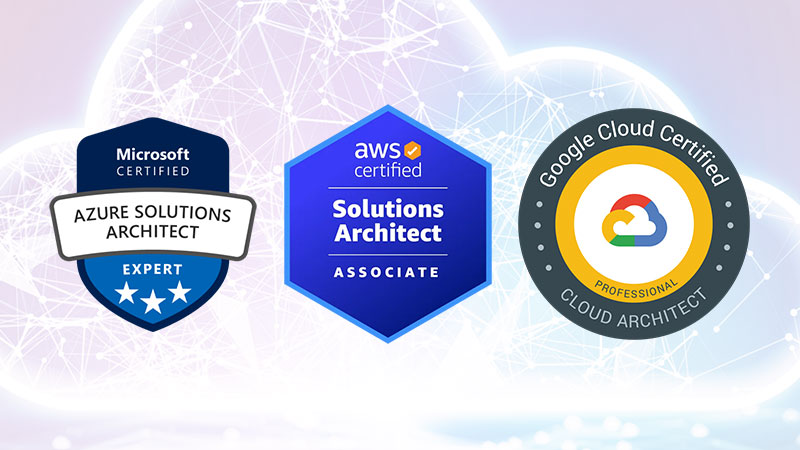
Dedicated Specialty Teams for Azure, AWS, and Google Cloud
Connection offers standard and specialty services for Azure, AWS, and Google Cloud. We are an Azure Expert MSP. We are also an AWS Partner and a Google Partner.
Cloud Provider
Select a Solution Area to Review
Solution Area |
|
|
|
|---|---|---|---|
| Assessments | |||
| Migration | |||
| Managed Services | |||
| DevOps | |||
| Disaster Recovery | |||
| Security | |||
| VMware | |||
| Specialty Enablement | Windows, SQL Server Migration, and Azure Virtual Desktop | AWS Marketplace and Lamba | Custom enablement for education, Chrome, and Google Workspace |



WEBINAR SERIES
The Azure Advantage: Futureproof Your Business with Microsoft Azure
Register for our exclusive on-demand webinar series designed to simplify your journey to the cloud. In this four-part series, you will gain in-depth insights into the benefits of Microsoft Azure, including enhanced scalability, robust security, and cost-efficiency.Topics Covered:
- Innovate and Scale: Optimize your infrastructure
- AI and Machine Learning: Drive innovation with Azure’s AI and machine learning capabilities
- Tailored Support: Connection services customized to fit your business needs
- Real-world Success: Hear about organizations that have successfully transitioned


Google Cloud Partner
As a Google Cloud Partner, Connection’s team has demonstrated higher levels of expertise and performance to deliver a wide scope of GCP services at competitive prices for our customers. In addition to GCP, we’ve partnered with Google for the last decade to also offer custom enablement for Google for Education, Chrome, and Google Workspace. To help you get the most from the Google Cloud, we have a team of engineers, hired specifically for their experience with GCP, who are certified and Google-verified to handle configurations and DevOps for the platform.When our customer Prenda realized that they would not be able to access the state’s online testing resources using their current Chromebook devices and licenses, our team was able to set them up with Google for Education licenses that would aloow them to centrally manage school Chromebooks and adjust settings as needed in order to gain access to the testing resources. Read our case study for the full story and learn how we can help set your organization up for success with Google Cloud solutions.
Virtualization
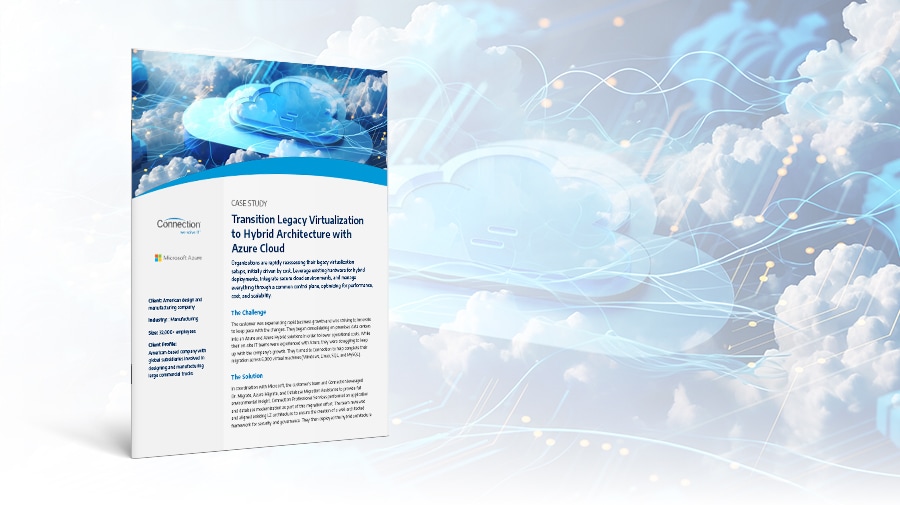
Transition Legacy Virtualization to Hybrid Architecture with Azure Cloud
Organizations are rapidly reassessing their legacy virtualization setups, initially driven by cost. Read our case study to learn how we helped one customer leverage existing hardware for hybrid deployments, integrate secure cloud environments, and manage everything through a common control plane—optimizing for performance, cost, and scalability.Parallels Remote Application Server (RAS)
Empower your employees to work from home instantly, while improving efficiency, productivity, and data security. Parallels RAS is a powerful all-in-one virtual desktop infrastructure solution that delivers applications and virtual desktops to any device—anytime, anywhere.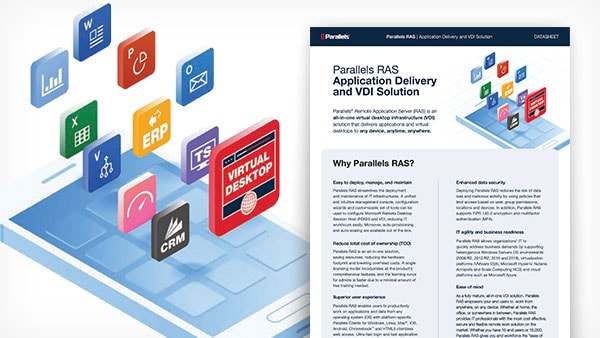
Parallels RAS Application Delivery and VDI Solution
Data Sheet
Why Parallels RAS?- Easy to deploy, manage, and maintain
- Reduce total cost of ownership
- Superior user experience
- Enhanced data security
- IT agility and business readiness
- Ease of mind

How Parallels Can Help Your Business Navigate a Post-COVID-19 World
White Paper
Many businesses are deciding whether temporary measures should evolve into permanent ones—as companies adopt long-term work-from-home policies. But these remote workplaces can only be effective if they are secure, easy to deploy, and allow employees full access to every application they need to successfully perform their roles.
Battle Rising Software Costs with AMD EPYC™
Software licensing costs are skyrocketing—especially in virtualized environments with aging hardware. The AMD Guide to Battling Software Costs eBook shows how modernizing with high‑performance AMD EPYC™ processors can help organizations dramatically reduce per‑core licensing fees, lower operating expenses, and improve overall data center efficiency.In this eBook, you’ll learn how faster cores—not more cores—can unlock a powerful licensing advantage, delivering up to 61% savings on software costs, fewer servers, and faster time to break even.
Anything as a Service (XaaS)
Your source for all things Cloud, Colocation, and Connectivity.

Software as a Service (SaaS)
Effective SaaS management empowers organizations to streamline operations, reduce costs, and strengthen security. By building a clear inventory, rationalizing overlapping tools, aligning applications with business goals, and enforcing governance policies, teams gain visibility and control. This structured approach ensures agility, compliance, and sustainable value from cloud-based applications. Read this guide to learn more.Maximize Employee Productivity, Minimize IT Costs
HP Workforce Experience Platform provides critical data management for devices and applications. It puts deep learning at IT’s fingertips and provides employees with the information they need to succeed.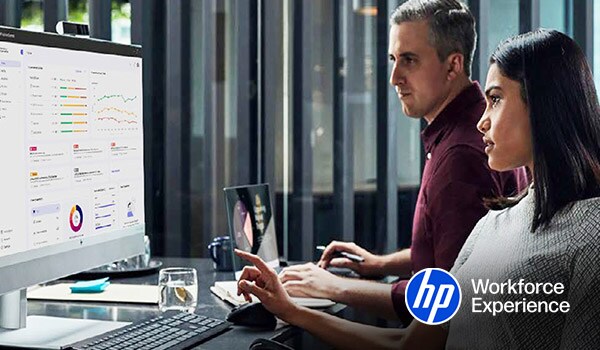

Cloud Networking and NaaS
Cloud networking and Network as a Service (NaaS) are transforming enterprise infrastructure by replacing hardware-heavy models with flexible, cloud-delivered solutions. They enable scalable, agile, and cost-efficient networks while integrating with frameworks like SASE, Zero Trust, and AIOps. Organizations benefit from improved performance, simplified management, predictable costs, and stronger security. Looking ahead, automation, AI, and edge computing will drive intelligent, sustainable, and adaptive networks that align with evolving business needs.Backup as a Service (BaaS)
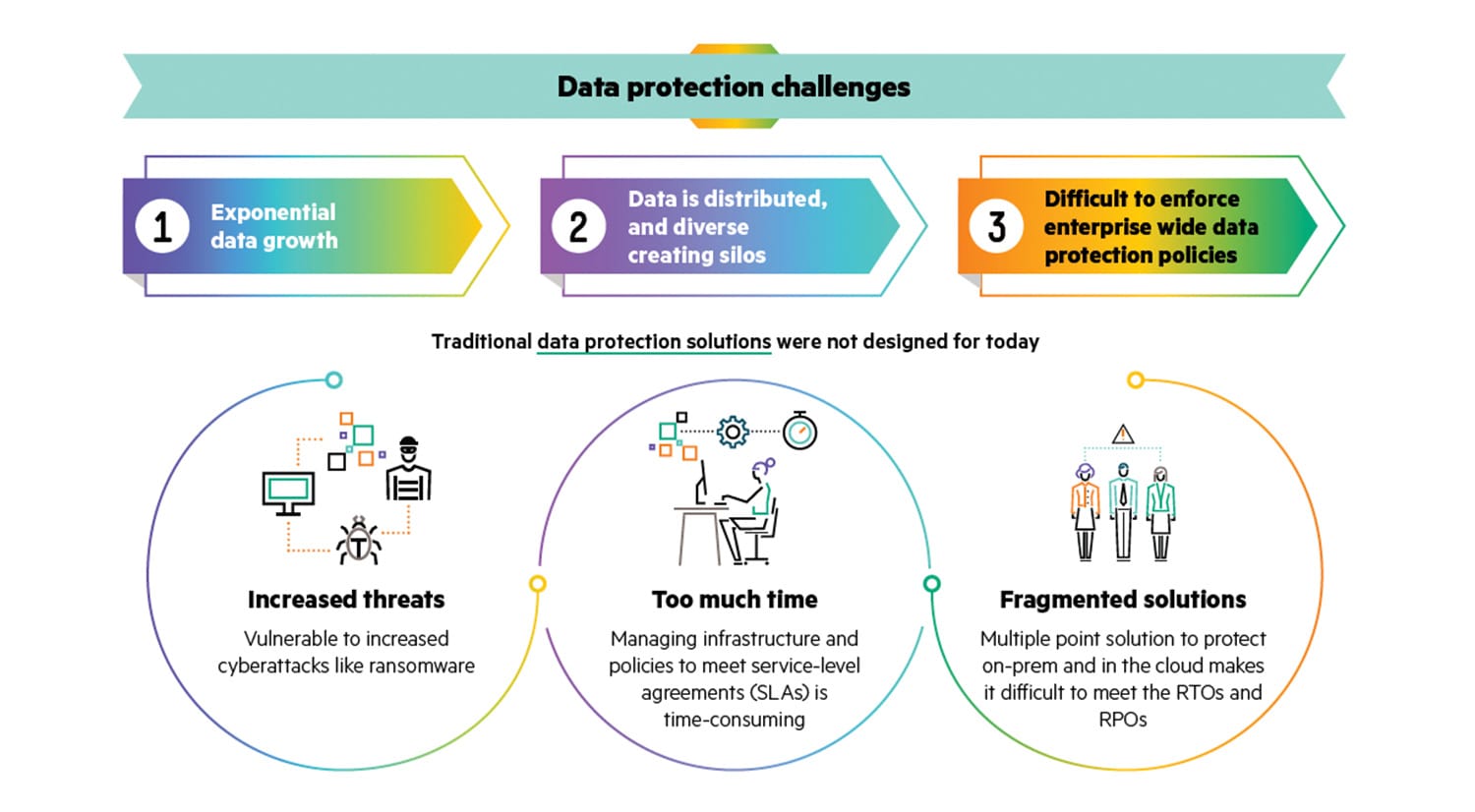
Traditional backup approaches are not designed for today’s IT environment. A backup and recovery plan is essential for your organization. Data loss events can happen at any time and take a variety of forms, from system failures to human error, cyberattacks, and more.The need for a robust backup and recovery strategy is undeniable, but finding the right solution to fit your needs can be difficult. The right solution should provide highly-efficient data security. It should also be simple to manage, scalable, futureproof, and much more.
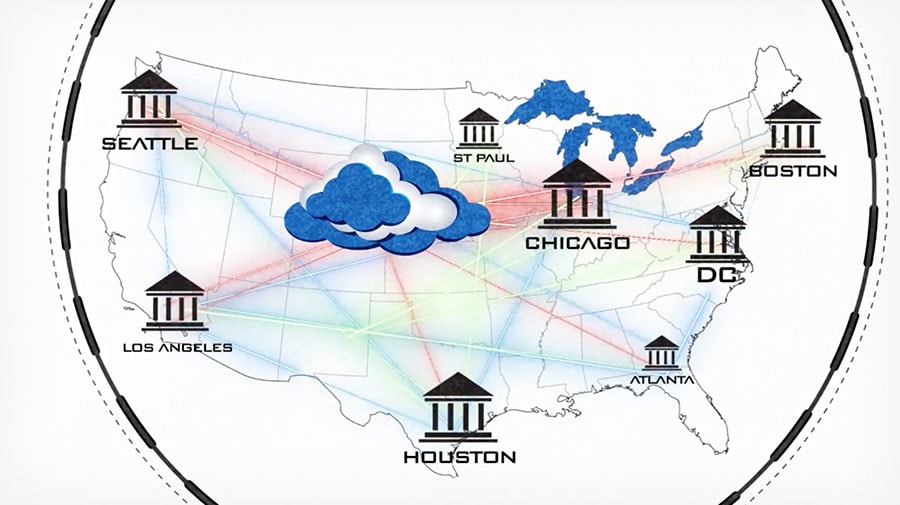
A typical wide area network often includes a mix of private circuits, like MPLS and point-to-points, as well as public internet circuits, like fiber, copper and cable, all spread across wide geographic locations.
With cloud-based services becoming more popular, bandwidth requirements have exponentially increased, but each data packet is still routed without any consideration of other networks. This means that dozens of connections might lie dormant, while another is weighed down with traffic.
The solution to this inefficiency is software-defined wide area network. SD-WAN is an intelligent solution that efficiently manages all network connections and policies as a whole, reducing costs and harnessing all available bandwidth.
Picture your entire network as super highways in the metropolis of their enterprise. If one highway suffers from congestion, SD-WAN is the navigation that automatically routes data to a faster highway with less traffic. Even if one highway goes offline, traffic will still be securely routed to its destination, replacing need for VPNs.
SD-WAN can also prioritize critical applications like voice for best customer experience. SD-WAN harnesses the total throughput of all networks with minimal management and maximum data reporting. You can swap or supplement existing networks for inexpensive public connections, optimizing performance and cost. Once configured, deploying additional branches is quick and dynamic.
What complaints do users have regarding network or application performance? Which connections are underutilized or only used for backup? What are your mission-critical applications and where are they located? What are your biggest challenges in managing network costs? If you could improve one thing about your network, what would it be?
Software-Defined Wide Area Networking (SD-WAN)
SD-WAN provides numerous benefits, including enhanced network efficiency and reduced network operating costs. But the selection of the right SD-WAN solution can be time-consuming and complex. There’s a lot of criteria to consider, including applications supported, security and geographic needs, preference for self or turnkey management, and more.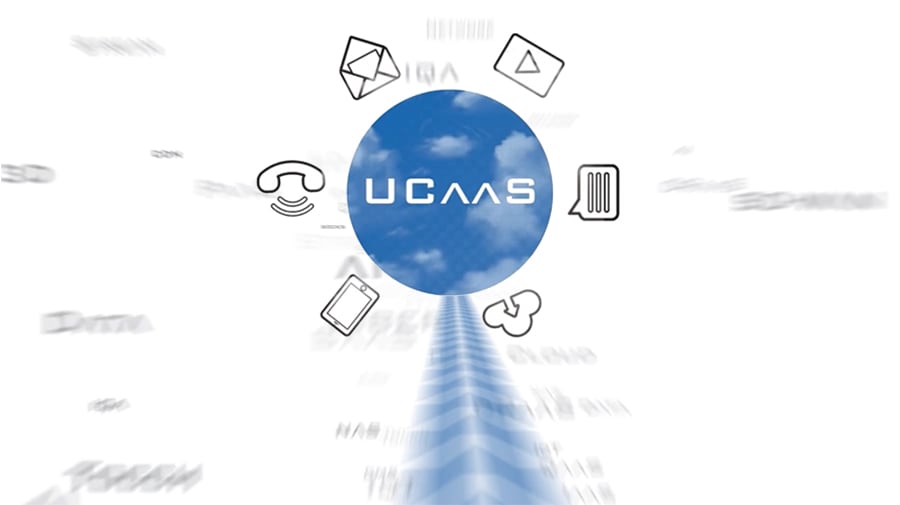
With the accelerating pace of change in IT, it has never been more critical to create value with your communication applications. For many years, phone lines and legacy PBX hardware systems were able to meet these needs. These days, those are the table stakes. With demanding employee and consumer level expectations and exponential potential for business growth, legacy hardware systems simply cannot keep up with the pace of change to give your business the edge it needs to stay competitive. This is especially true when looking at increased needs for mobile devices and mobile workforce. The solution is unified communications as a service or UCAAS.
UCAAS is a managed cloud-based solution helping businesses take full advantage of ever-changing communication needs. UCAAS always stays up-to-date, eliminating the need to pay and implement upgrades. Additionally, native integrations to cloud platforms such as Salesforce, Slack, Office 365 or Google apps further enhance end-user productivity, while allowing you to retain your existing legacy on premise investments, such as handsets and overhead paging systems. Voice, fax, social messaging, conferencing, and more are combined into a unified application experience accessible from any device anywhere.
With UCAAS, your communication platform becomes a business analytics tool, allowing you to delve into your business call details with customizable dashboards and artificial intelligence agents, so management can work smarter and allocate resources with confidence. The result, IT is freed for managing hardware and servers to delivering strategic business needs. Finance is freed from planning capital expenditures to analyzing business impacts, and the leaders are free from the limitations of isolated systems to anywhere communications. UCAAS allows you to stay ahead of the accelerating pace of change.
Is your current communications platform up-to-date. Tell me about the last time you went through an upgrade. What were the pain points? What are your biggest challenges with your current communication platform? What problems are disparate phone services causing in your business? What integration and reporting insights do you expect with your CRM and business tools? What are your internal users' and end customers' opinions of your communication experience?
Unified Communications as a Service (UCaaS)
A Guide to Maximizing UCaaS Implementation
There are a number of different products and services that make up Unified Communications as a Service, but the true value of UCaaS lies in its interoperability and integration. Combining the various features into a fully compatible communications solution displaces a series of point products, simplifies management, strengthens interoperability, and in many cases, reduces cost and complexity.The AVANT Research and Analytics Report offers a great overview of the UCaaS industry, including the results of an extensive market survey. However, if you’d like more direct assistance, reach out to a Connection specialist to start (or upgrade) your UCaaS implementation today.

Lenovo TruScale Device as a Service (DaaS)
Lenovo TruScale DaaS is a subscription-based solution that delivers devices, software, and lifecycle services as a managed service. Equip your teams with the right technology, optimize costs, enhance security, and support sustainability goals—all through a single contract and trusted partner.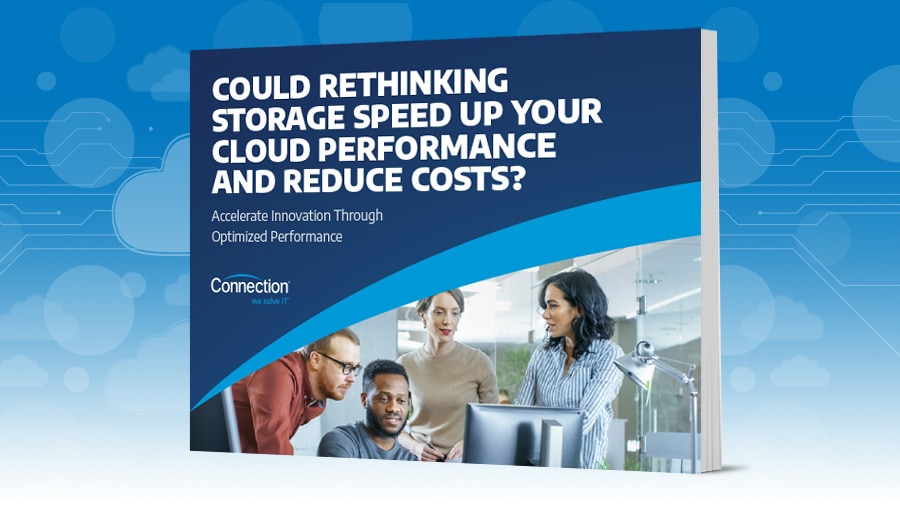
Could Rethinking Storage Speed Up Your Cloud Performance and Reduce Costs?
Businesses move their applications and data to the cloud for agility, cost savings, and streamlined performance. Initially, the gains organizations make with cloud computing can have a major impact on both increasing performance and reducing costs. Yet over time, cloud performance can slow—and costs can rise—as maturing cloud ecosystems aren’t maintained or optimized. If you’re interested in getting more from your cloud deployments, read our free eBook to discover why storage can be the key to unlocking effective performance and affordable rates.
The Essential Cloud Technologies for Success
As the demand for agile and scalable infrastructure has increased and there’s been a dramatic shift to remote and hybrid work solutions, cloud adoption has evolved from a technology strategy to a business strategy. Cloud adoption is now not only pervasive, but the default. Read our free eBook to discover the 5 cloud technologies to consider in 2024 and beyond.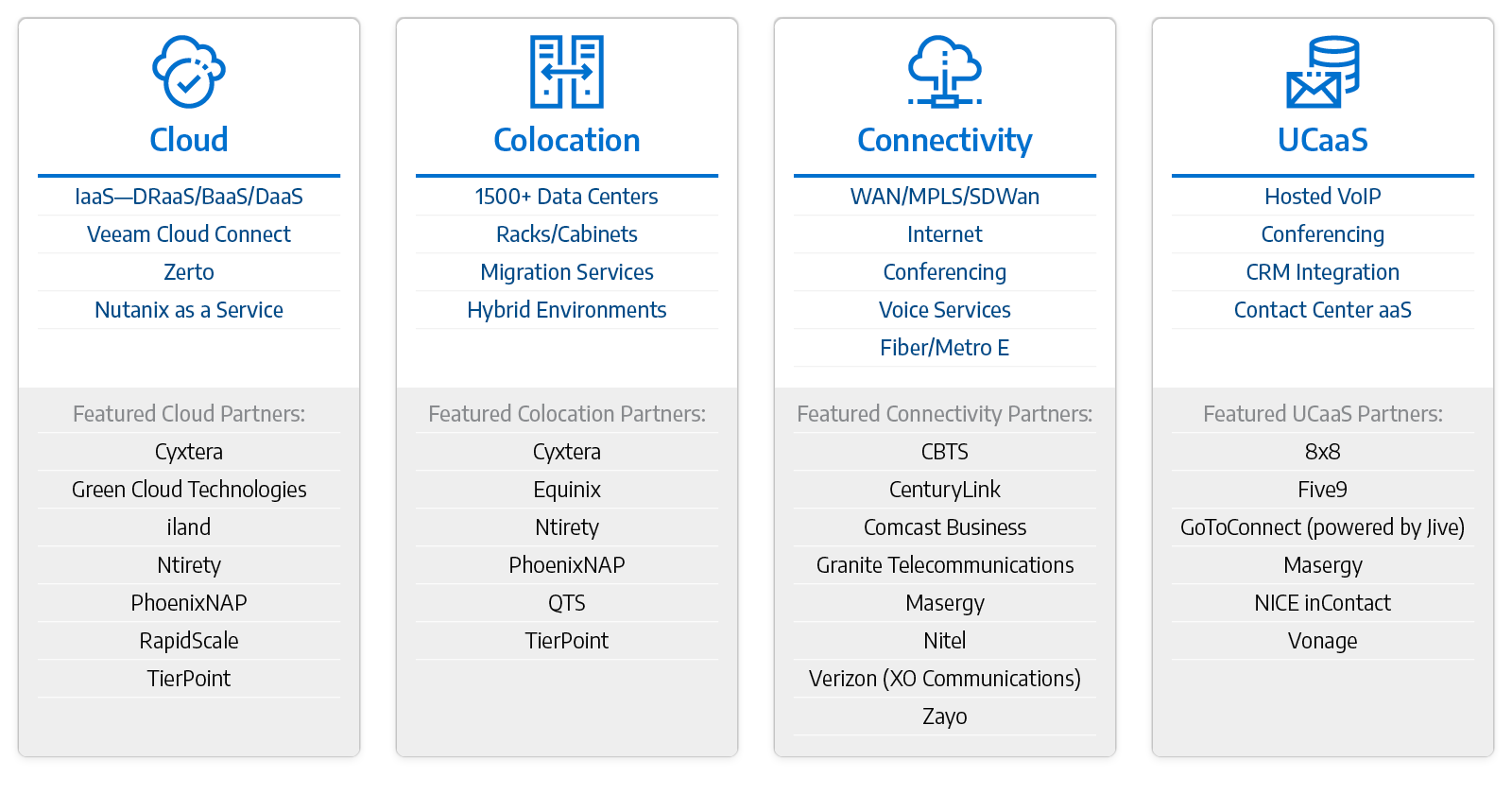
Cloud Security

Assess and mitigate your organizations’ security risk and ease the burden of protecting your most critical assets, including data availability and privacy.
Learn how your company can identify and eliminate cybersecurity risk.

Has your organization taken the time to identify existing security flaws, device and network vulnerabilities, and malicious network activity?
Discover how to secure your IT infrastructure.

Don’t wait―proactively ensure your business is meeting its regulatory requirements.
Get expert help to manage your risk and stay in industry compliance.

Does your organization need help responding to security threats?
Get expert help to monitor and manage security events.

Identify potential redundancies and inefficiencies before they impact the bottom line.
Learn how to unify your stack to reduce the complexity of your technology.
Connection Cloud Services

Whether you are beginning to determine the best cloud model to suit your needs, assessing which application workloads can be safely moved to the cloud, or considering which cloud service provider would serve the best return on your investment, our cloud experts can help.
Learn how your company can maximize its investment in the cloud.

Does your company have significant investments in Microsoft products, services, tools, and frameworks?
Learn how to easily migrate your workloads to Azure.

Effective management is needed to get the most out of your company’s cloud investments.
Get expert help to manage operations, strengthen security, and more.

Successful cloud migrations require understanding how cloud strengths and constraints align with your application portfolio.
Get expert help to map the optimal cloud migration path.

Does your company utilize VMware in your on-premises data center?
Find out if VMware Cloud on AWS is the right fit for your business.
Cloud Technology Resources



Connection Community

Getting More from Microsoft 365 Without...
Most organizations don’t struggle with buying Microsoft 365. They struggle to consistently realize its value. In a common scenario, IT... Read More

Preparing for Microsoft Volume Licensing...
The world of Microsoft licensing is evolving once again, and this time the changes are both sweeping and significant for... Read More
Future Proof Your Business with Microsoft Azure
Keeping up with ever-evolving cloud technology is imperative for businesses to thrive. That’s why we’re excited to introduce our four-part... Read More

The Evolution of the Microsoft Partner Ecosystem
With the dust settling from the recent celebration of Microsoft’s 50th birthday in April, I thought it would be timely to... Read More

Transferring Your Microsoft Enterprise...
April 2025 Announcement Microsoft has introduced a new process allowing partners to transfer online services from an Enterprise Agreement to... Read More